Due diligence sounds like one of those dry, procedural terms that accountants mutter while reviewing paperwork. But in practice, it’s the most powerful tool to prevent people and companies from paying a great deal of money for something they don’t fully understand.At its core, due diligence is about asking the right questions before making a commitment. Not the flashy ones, like “how much can we grow?” or “what’s the profit margin?”, but the slower, unglamorous questions: Who really owns what? What’s hiding in the footnotes? What, if anything, is not on the table?
And when those questions aren’t asked, or not answered properly, things can go very wrong. Now, this brings us to one of the most quietly embarrassing episodes in modern corporate history. It’s a cautionary tale starring Volkswagen, Rolls-Royce, Bentley, and a rather costly misunderstanding.
The Sale That Wasn’t What It Seemed
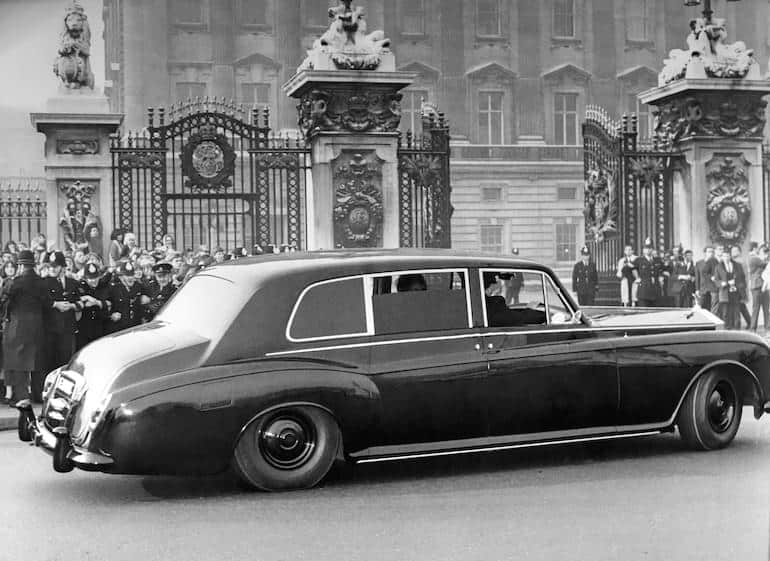
In 1998, Vickers plc decided to sell its car business: Rolls-Royce Motors, which also owned Bentley. It was the sort of acquisition that conjures dreams of prestige, heritage, and global luxury appeal.
BMW was already involved as an engine supplier and was the obvious front-runner. But Volkswagen outbid them, offering £430 million, around $900 million at the time. On paper, VW had bought Rolls-Royce. The factory, the workforce, the grille design, even the fabled Spirit of Ecstasy ornament. The press reported the acquisition as a triumph. For a moment, it looked like VW had pulled off a historic coup.
But they hadn’t asked every question.
Because buried in the fine print, or perhaps not even in the documents VW saw, was a detail that undid the entire deal’s logic. The name “Rolls-Royce,” along with the iconic logo and branding rights, was not Vickers’ to sell. It belonged to Rolls-Royce plc, the aerospace company, which had quietly sold those naming rights to BMW for just £40 million ($65 million). Which meant: Volkswagen had bought the car, but not the name. They owned the body, but not the face. They could build it, but they couldn’t call it a Rolls-Royce.
A Temporary Truce and an Inevitable Split
The situation was so strange it almost felt like satire. BMW now had the name but no car; VW had the car but no name. The two companies were forced into an uneasy alliance. For four years, from 1998 to 2002, VW was allowed to build Rolls-Royce cars under the brand name, using BMW engines. But when that grace period ended, everything changed.
BMW took over Rolls-Royce entirely, launching production at a new facility in Goodwood. Volkswagen, meanwhile, retained Bentley, and, perhaps unexpectedly, turned it into a roaring success. The Bentley Continental GT, launched under VW stewardship, became a new symbol of performance luxury. So, in a curious twist, both companies walked away with something worthwhile.
But that doesn’t lessen the mistake. Volkswagen had paid hundreds of millions of dollars without properly verifying what was, and wasn’t, part of the deal. And it all came down to a lapse in due diligence.
The Auditor’s Role: What We’re Meant to Catch
Due diligence is a key topic in AAA (ACCA) and is also examined in the Corporate Reporting paper of the ICAEW exams. So, what does this have to do with auditors? I would say… everything! Because this isn’t just about lawyers missing a trademark clause. It’s about an organisational culture that can grow so confident, so forward-facing, that it forgets to turn around and check the small print. It’s the job of due diligence, and of auditing more broadly, to catch what’s not obvious. Not just what’s there, but what’s missing.
Auditing isn’t simply about ticking boxes. It’s about scepticism, about restraint in the face of excitement, about slowing down long enough to ask: Does this make sense? Have we actually bought what we think we’ve bought? In VW’s case, someone needed to press pause and ask: Who holds the intellectual property? Who owns the name? And if not us, then who?
That’s what due diligence demands, not just technical reviews, but intellectual humility.
The Real Lesson
We often think of due diligence as a defence against fraud or hidden debt. But more often, its job is to defend us against our wishful thinking. In the VW-Rolls-BMW saga, no one was lying. No one was hiding anything. The problem was subtler and more human: assumptions made in haste, dots not connected, and a deal that was too good to wait.
The story lingers in the corporate memory not because anyone acted maliciously, but because it shows what can happen when we fail to ask the boring questions that turn out to matter most.
Leave a Reply