
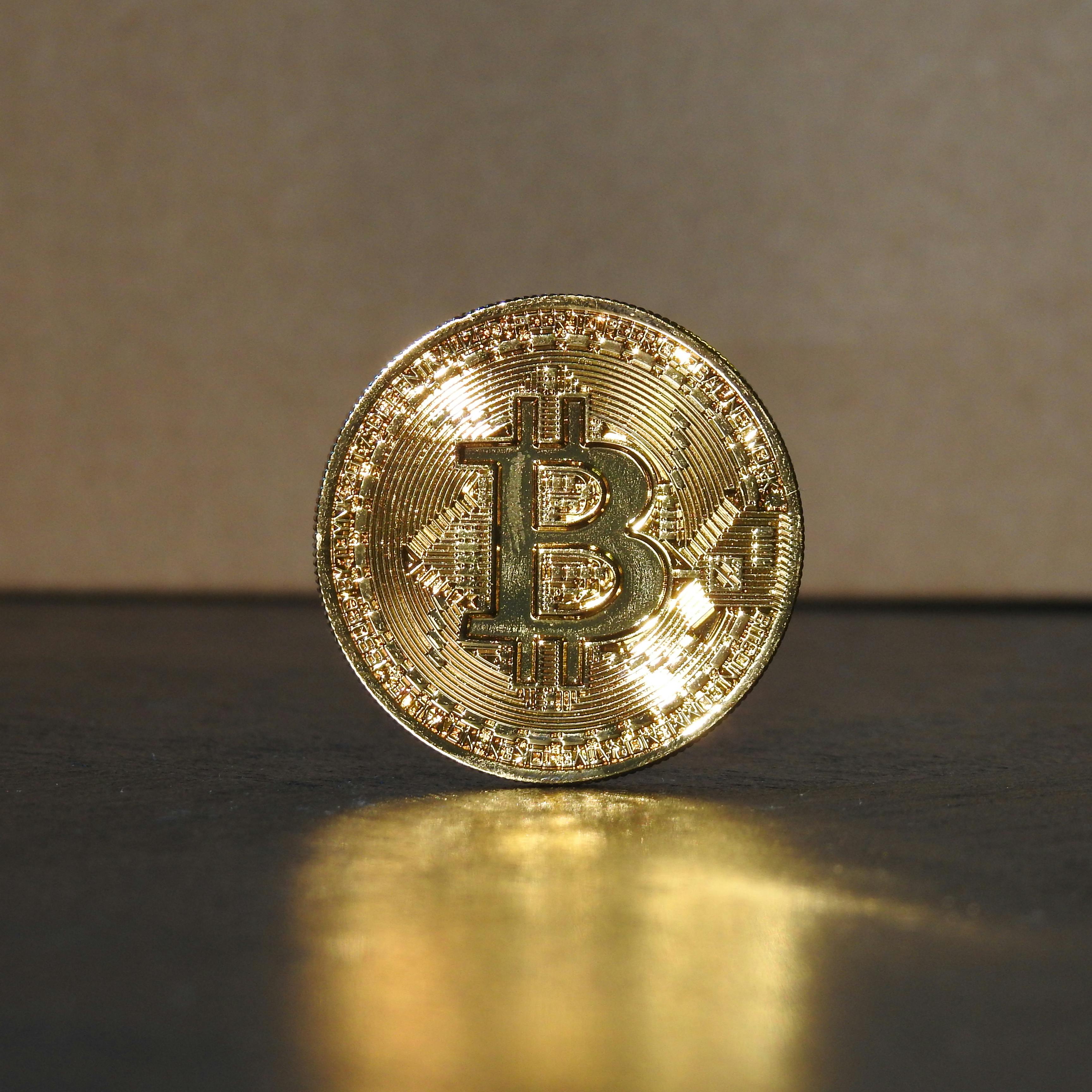
Bitcoin is hard to pin down as it behaves like cash, but it isn’t. You can trade it like a stock, but there’s no underlying company. It’s not a bond, and equally so, it’s not quite gold. It sits somewhere in between asset and ideology, which makes it an accountant’s nightmare and a speculator’s dream.
And yet, despite its elusive character, companies have begun holding it. Tesla, most famously among them. The problem is, accounting doesn’t like ambiguity. Accounting likes boxes. It likes labels. It wants to know: Is this cash? A security or an inventory?
Bitcoin doesn’t tick those boxes. So, for years, it was forced into the category of “intangible asset,” which is where we usually throw things like trademarks and software licenses, stuff that has value, sure, but not something you can easily measure on a daily basis. That meant companies like Tesla had to record it at cost, and if the value dropped, they’d take a hit. If it went up? Nothing…not unless they sold it. A kind of pessimistic accounting, you might say, one that saw only the downside and politely ignored the upside.
Then, quietly, in late 2024, the rules changed.
The Financial Accounting Standards Board decided that it was time to start treating cryptocurrencies more like what they are in practice: volatile, liquid, market-priced things. From now on, companies would have to mark them to fair value, up or down, each quarter. And Tesla, with its not-insignificant Bitcoin stash, suddenly saw a $600 million gain pop up in its income statement in Q4 2024. Just like that, a quarter of its profit didn’t come from making cars, or batteries, or solving climate change. It came from holding onto Bitcoin while the rules shifted.
It’s not illegal. It’s not even deceptive. But it does feel… strange.
Tesla, of course, is no stranger to strangeness. For years, it teetered on the edge of collapse, kept alive by hype, hope, and a CEO who tweets like a meme account run by a philosophy undergrad. Then, almost miraculously, it turned a corner. It made money and built factories. It delivered cars. And now? It’s back in a state of flux. Sales are down in key markets, followed by Layoffs. An increasingly embattled Elon Musk seems to be trying to win an argument with the world at large. And amid all that, amid falling revenues and slipping margins, comes this unexpected profit boost, courtesy of Bitcoin and a well-timed accounting change.
You can’t help but raise an eyebrow!
It’s not that the new rules are wrong. In fact, they make a certain kind of sense. If you’re going to hold an asset like Bitcoin, and it’s traded daily with prices everyone can see, shouldn’t your balance sheet reflect that? Shouldn’t investors know what it’s actually worth, not just what it used to be worth?
But here’s the tension: just because something is true in the market doesn’t mean it reflects the substance of a business. Tesla didn’t innovate its way to that $600 million. It didn’t become more efficient, or more sustainable, or more aligned with its mission. It just happened to hold an asset that went up, and now the rules allow it to call that progress.
Accounting is supposed to tell a story. Not a perfect story, perfection is impossible, but a faithful one. A story that captures the risk, the effort, the value being created (or lost) over time. And the risk now is that, in the name of transparency, we’ve invited in a kind of noise. Markets move, Bitcoin swings and suddenly, earnings swing with it too, not because of the company’s performance, but because of the asset’s mood.
What happens next quarter if Bitcoin falls? Another few hundred million wiped off the income statement, with no change on the factory floor. No new vehicle launches. Just a market correction that gets translated into operating reality. It feels… slippery.
So yes, Tesla made a profit. But not from doing Tesla things.
And that, I think, is worth pausing on.
Leave a Reply